What Does Fund Balance Mean—and Is It Available to Spend?
Fund balance is an accounting measure within governmental funds. Its classifications, timing, and obligations matter before calling it cash or surplus.

Fund balance is an accounting measure within governmental funds. Its classifications, timing, and obligations matter before calling it cash or surplus.
Read the Essay →
Fund balance is an accounting measure within governmental funds. Its classifications, timing, and obligations matter before calling it cash or surplus.

Local borrowing connects a public purpose with legal authorization, debt documents, pledged repayment sources, and future budget obligations.

Taxes, fees, and fines can all appear as government revenue, but they arise from different obligations. The controlling legal classification remains local.

A capital improvement plan can show project priorities, schedules, and funding assumptions, but inclusion does not always mean final authorization or full funding.

Road ownership, maintenance responsibility, project funding, and reimbursement may involve different governments and funding sources.

General funds and special revenue funds organize public resources differently. Their labels, restrictions, and reporting roles must be read with local context.

A property-tax bill connects a property assessment with levy decisions made by taxing authorities. The offices, formulas, and rules vary by jurisdiction.

An annual financial report looks backward, while an adopted budget looks ahead. Learn what each document can tell you and where their numbers differ.

A public budget hearing can help residents understand a proposal and place comments on the record, but its timing and procedures depend on local rules.

A local government audit has a defined objective and scope. Learn how to read the opinion, findings, recommendations, and limits without assuming too much.

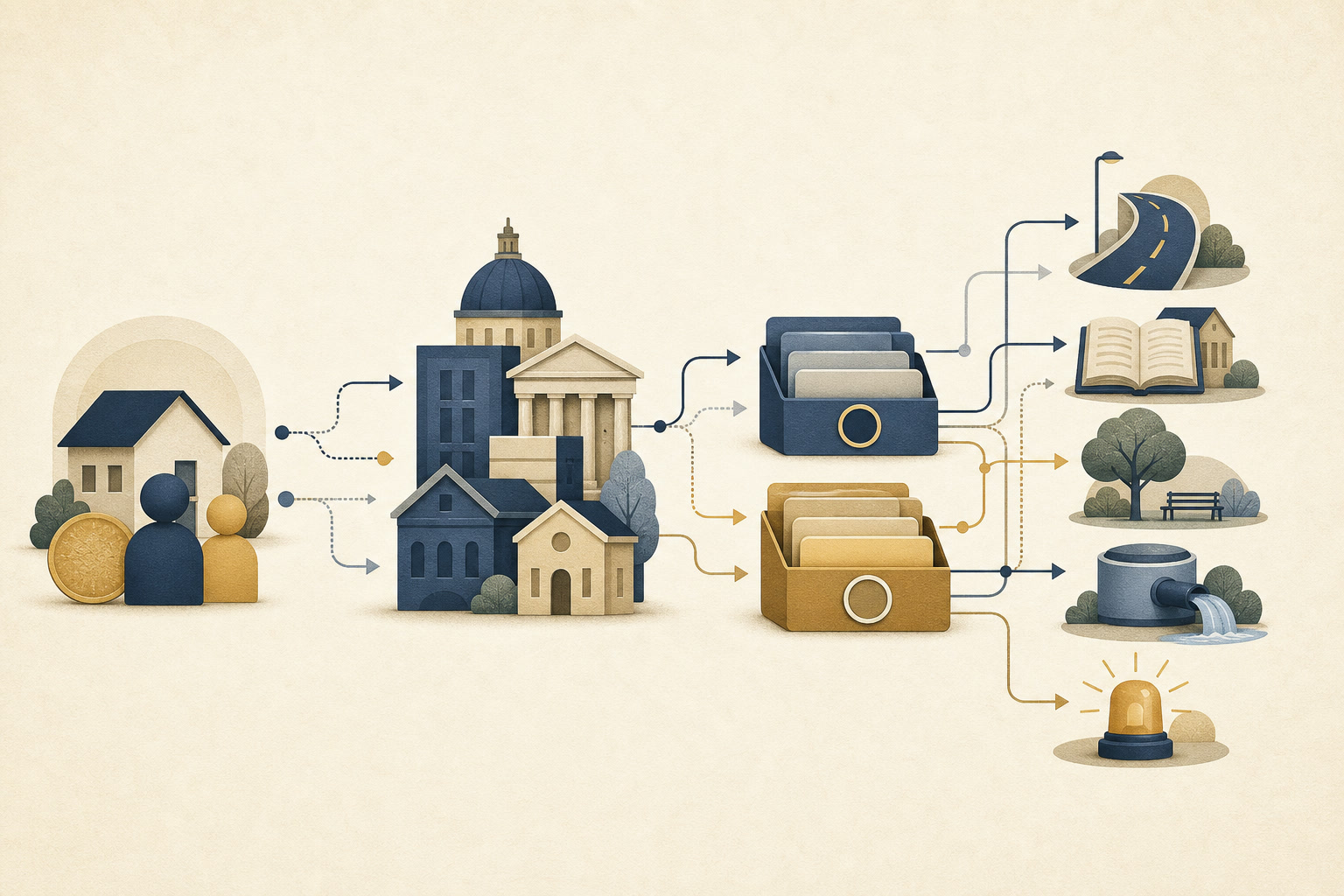
Local taxes do not follow one simple path. Learn how to distinguish revenue sources, governments, funds, and services when reading local public documents.

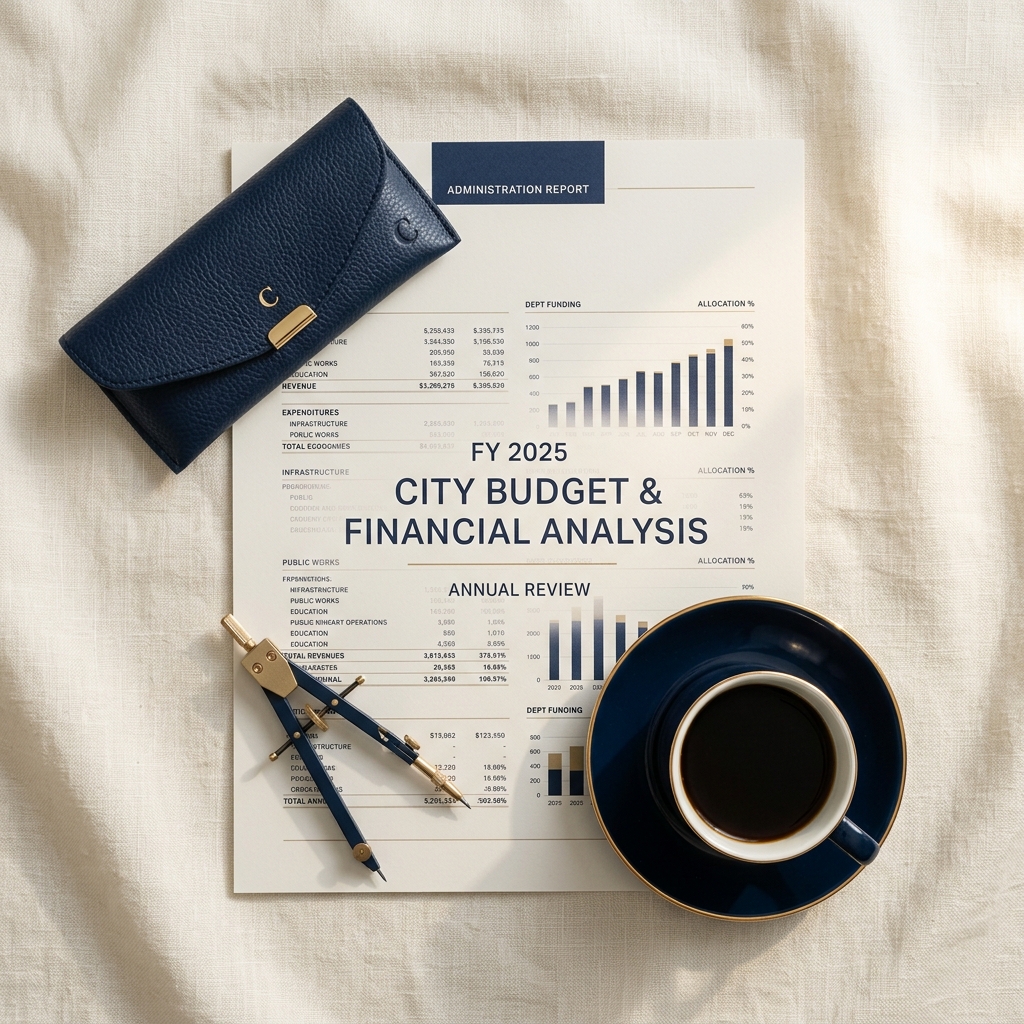
Every year, your city decides how to spend hundreds of millions of dollars — on streets, schools, libraries, parks, fire trucks, water lines. That decision is called a budget.